Choosing the best Arc Chute manufacturer in China requires more than comparing prices or browsing polished websites. The right decision begins with technical evidence, factory experience, and reliable communication. An experienced manufacturer should understand arc movement, heat transfer, deionization, insulation spacing, and material selection. These details affect whether an Arc Chute performs consistently inside a circuit breaker.
Dr. J. D. Cobine, a respected researcher in electrical discharge technology, stated, “The electric arc is a dynamic discharge, not a stationary flame.” This principle matters during supplier evaluation. A capable factory should explain how its design controls arc energy, gas flow, plate spacing, and temperature. It should also provide drawings, material specifications, laboratory records, and traceable quality reports.
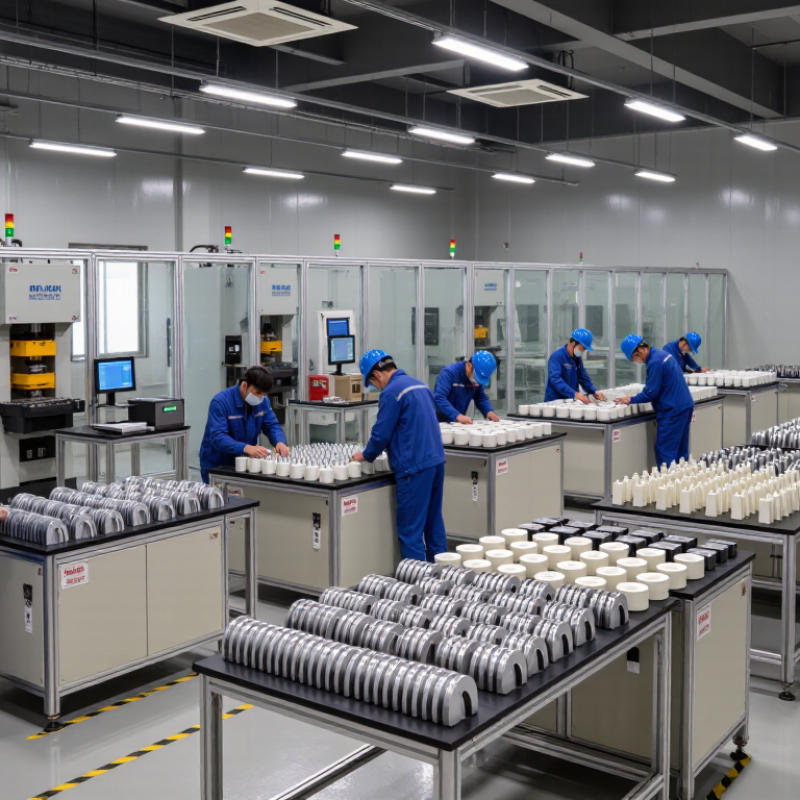
Look closely at the production floor. Are the arc plates cleanly stamped? Are ceramic or insulating components free from cracks? Can the supplier show dimensional inspection records for each batch? These small details reveal practical manufacturing discipline. Ask for samples before signing a large order. Test them under realistic voltage, current, and short-circuit conditions.
Certifications are useful, but certificates alone prove little. A supplier may display impressive documents while offering weak process control. That possibility deserves attention. Factory audits, third-party testing, customer references, and clear warranty terms create stronger confidence.
The best manufacturer is not always the cheapest. It is the partner that explains limitations honestly, responds with measured data, and improves when a design fails. No checklist is perfect. Careful questioning remains essential when selecting an Arc Chute supplier in China.
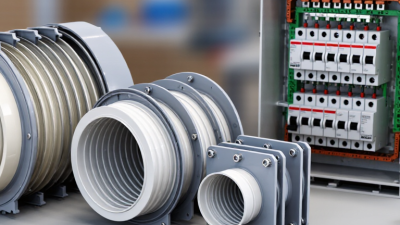
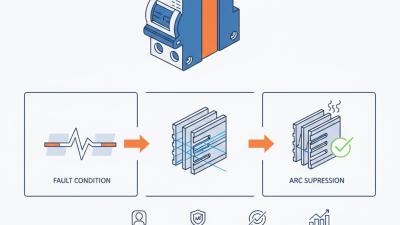
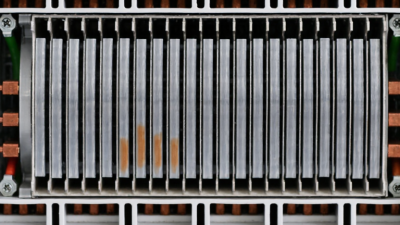
Arc chutes are essential parts of many low-voltage switching devices. When electrical contacts separate, an arc can continue through the air. The chute divides, cools, and lengthens this arc until it loses energy. This reduces heat, metal damage, and the risk of nearby insulation failure. Small vents, metal plates, and heat-resistant insulating materials work together inside the assembly. Even a minor dimensional error can affect airflow and arc control.
When choosing an arc chute manufacturer in China, examine more than price and product photos. Ask about material specifications, plate spacing, molding accuracy, and production controls. Request sample units and test records for thermal endurance, insulation performance, and repeated switching. A reliable manufacturer should explain its inspection process clearly. It should also provide traceable batch information and respond accurately to technical questions. Practical experience shows that communication delays often reveal deeper quality problems. Still, no checklist is perfect. Field conditions may expose weaknesses that laboratory testing misses.
Tips: Compare samples from several manufacturers. Check burrs, cracks, loose plates, and uneven surfaces. Confirm that the chute matches your device’s rated voltage and current. Review drawings before mass production. Discuss corrective action procedures in writing. Do not accept vague claims such as “high safety” without measurable evidence. A careful factory visit can help, but it cannot replace independent testing. Safety depends on the complete switching system, not the arc chute alone.
How to Choose the Best Arc Chute Manufacturer in China?
The right arc chute manufacturer should offer more than a competitive quotation. Evaluate material quality, dimensional accuracy, testing, and production consistency. Ask about insulating materials, heat resistance, and the chute’s performance under repeated electrical stress. A reliable supplier should provide clear drawings, inspection records, and traceable batch information. Request samples before approving large orders. Check whether sample dimensions match the final production pieces. Small differences can affect assembly and safety.
Tips: Visit the factory when possible. Review molding equipment, inspection tools, and storage conditions. Ask for relevant test reports and confirm their testing scope. Speak with technical staff, not only sales representatives.
Experience matters during evaluation. Manufacturers with stable processes can explain failure risks, tolerance limits, and suitable material choices. However, experience should not replace evidence. Review customer references, quality procedures, corrective-action records, and delivery history. A factory may display modern equipment but still lack process discipline. That is easy to overlook. Use a written checklist and compare several suppliers fairly. Communication also matters; unclear answers often become production problems later. I would not choose the lowest price without understanding its assumptions. A modestly higher cost may support better inspection, cleaner molding, and fewer rejected parts. Allow time for technical questions, sample revision, and independent verification before placing an order.
This chart presents a neutral 100-point evaluation framework based on commonly used industrial purchasing criteria. Priority should be given to evidence of compliance with IEC 60947 requirements, verified arc-quenching performance, material and thermal capability, quality-management controls, product traceability, and delivery support. The scores are weighting points rather than data from any individual company or brand.
How to Choose the Best Arc Chute Manufacturer in China?
Verify manufacturing quality before comparing prices. An arc chute should be more than a molded stack of plates. Request material certificates, incoming inspection records, and batch traceability for every shipment. Experienced factories can show production samples, mold maintenance logs, and dimensional reports. Ask to inspect plate spacing, vent openings, insulation distance, and fastening points. Small deviations can affect arc cooling and pressure release.
Compliance needs documented evidence. IEC 60947-1 and IEC 60947-2 provide key requirements for low-voltage switchgear, including dielectric strength, temperature rise, and short-circuit performance. Ask whether testing was completed on the final design, not only on a similar sample. Review laboratory accreditation, test dates, applied current, duration, and failure criteria. A copied certificate is not enough. It happens.
The 2022 ISO Survey recorded more than 1.2 million ISO 9001 certificates worldwide, but certification alone cannot prove arc chute performance. Use it as a starting filter. Then audit process controls, calibration records, corrective-action reports, and operator training. Independent laboratory testing adds confidence, especially for new materials or revised molds. Do not ignore imperfect evidence; unclear records may reveal weak control. A factory that welcomes technical questions is usually easier to verify. Get everything in writing.
Choosing an arc chute manufacturer requires more than comparing catalog prices. Materials directly affect arc control, heat resistance, and service life. Ask whether the chute uses treated steel plates, stable insulating components, and corrosion-resistant coatings. Request material certificates and batch inspection records. Small details matter.
Design quality appears in the chamber’s grid spacing, vent paths, plate alignment, and insulation distance. A practical manufacturer should explain how its design handles heat, pressure, and repeated switching. Request test data, drawings, and sample measurements. Do not accept attractive graphs without test conditions. Ask for evidence. Some suppliers provide excellent prototypes but fail to maintain the same tolerances during volume production. This gap deserves careful attention.
Customization should cover dimensions, mounting holes, plate thickness, insulation shape, and packaging requirements. The supplier must review your drawings before tooling begins. Production capacity also matters. Check stamping equipment, assembly lines, inspection tools, and warehouse control. Ask how the factory manages urgent orders without skipping inspections. Traceability should connect raw materials, production batches, and final tests. A factory visit can reveal crowded workstations, unfinished tooling, or weak housekeeping. These observations are not absolute proof, but they deserve questions. No manufacturer is perfect; even a strong supplier may have inconsistent communication or limited engineering support. Choose one that admits such limits and offers a clear correction process.
When comparing arc chute manufacturers in China, do not judge the lowest quotation alone. Ask for a line-by-line price covering raw materials, tooling, samples, packaging, inspection, and freight. Confirm the quotation’s currency, delivery terms, minimum order quantity, and validity period. A cheap unit price may exclude mold maintenance or export packaging. That mistake is expensive.
Communication reveals production discipline. Send a drawing with material, dimensions, ventilation openings, and tolerance requirements. Notice how the supplier handles questions and revisions. Do they return marked drawings, test data, and a clear production schedule? Fast replies are useful, but accurate replies matter more. In real projects, even a capable supplier can miss an update. Put every change in writing, including approval dates and responsible contacts.
Delivery should be measured, not promised. Request a sample timeline, mass-production lead time, inspection point, and shipping plan. A small pilot order can expose warping, loose fit, or inconsistent insulation before volume production. After-sales support needs equal attention. Check warranty conditions, replacement procedures, response times, and access to technical staff. Ask how they investigate a failed arc chute, not merely whether they offer compensation. Photos, batch numbers, and test records should support that process. Leave a realistic schedule buffer; port delays and rework happen.