Leave Your Message

What Is an Arc Chute for a Circuit Breaker?

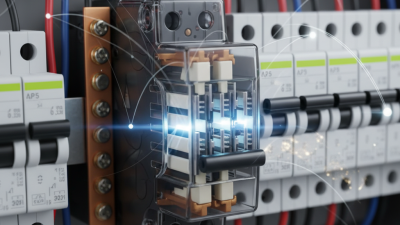
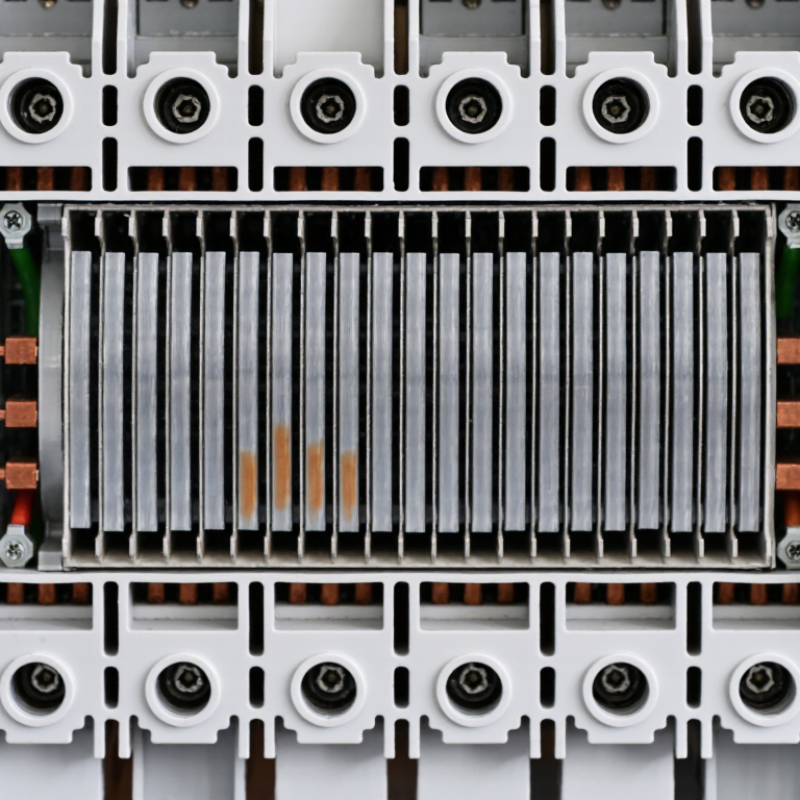
An Arc Chute For Circuit Breaker is a critical component in many low-voltage protection systems. It helps control and extinguish the electrical arc created when circuit contacts separate. Without effective arc management, intense heat can damage contacts, insulation, and nearby components. The chute uses multiple metal plates to divide and cool the arc. Each plate reduces the arc’s energy and supports safer interruption.

Small details matter.

From practical maintenance experience, arc chutes often appear simple but perform under severe electrical stress. Their spacing, plate condition, insulation, and ventilation can influence breaker performance. Dust, corrosion, loose fittings, or damaged barriers may reduce their effectiveness. A trained technician should inspect these areas according to the breaker manufacturer’s instructions and applicable standards. Testing must also match the equipment’s voltage, current, and interrupting rating.

This article explains what an Arc Chute For Circuit Breaker does, how it operates, and why its construction matters. It also considers common inspection concerns and replacement decisions. Specifications can differ between manufacturers, so one chute should not be treated as universally compatible. That point is easy to miss. Even experienced teams may focus on the breaker mechanism while overlooking arc-control components. Reliable maintenance requires both documented procedures and careful observation. A discolored plate, burnt odor, or unusual sound can provide an early warning, although visual checks alone cannot confirm complete safety. Understanding these limitations supports better decisions and more dependable circuit protection.
What Is an Arc Chute for a Circuit Breaker?

What Is an Arc Chute in a Circuit Breaker?

An arc chute in a circuit breaker is a component that controls and extinguishes the electrical arc formed when contacts separate. The arc carries current through ionized air, producing intense heat, bright light, and pressure. Without controlled interruption, it could damage contacts or nearby insulation.

Inside the breaker, arc plates divide the arc into smaller sections. These plates usually use heat-resistant insulating supports and metal splitter plates. Magnetic forces drive the arc into the chute, where it is lengthened, cooled, and deionized. As the arc loses energy, the current can stop safely. The process happens in milliseconds.

Arc chute design depends on voltage, current, fault level, and whether the circuit uses AC or DC. A chute for high fault current needs suitable spacing and strong thermal resistance. In field maintenance, technicians should inspect for cracked plates, carbon deposits, loosened parts, or blocked exhaust paths. Even a small defect can reduce interruption performance.

The component is not magic. It works as part of a complete breaker system, including contact geometry and trip timing. I have seen how visual inspection can reveal damage, yet appearance alone cannot prove safe operation. Testing and manufacturer-approved procedures remain essential. A common mistake is cleaning aggressively and removing material from the plates. That may create a new hazard. Proper replacement is often wiser than improvised repair.
How an Arc Chute Extinguishes an Electrical Arc

An arc chute is a protective assembly inside a circuit breaker. It controls the electrical arc created when contacts separate under load. The arc may look like a brief blue flash, but it carries intense heat and current. Without control, it can damage contacts, insulation, and nearby components.

How an Arc Chute Extinguishes an Electrical Arc

When the breaker opens, magnetic forces drive the arc into the chute. Inside, several closely spaced metal plates split the arc into smaller sections. These plates lengthen the electrical path and absorb heat. The arc then cools, loses energy, and becomes harder to sustain. The metal plates also help remove charged particles from the surrounding air. As the gas becomes less conductive, the current stops more quickly.

In practical inspections, technicians often check for warped plates, heavy soot, corrosion, or blocked air gaps. A damaged chute may still appear normal during a quick visual check. That assumption can be unsafe. The circuit breaker should be isolated and tested according to qualified procedures before inspection.

Tips: Keep the arc chute dry and clean. Never file, bend, or replace internal parts without approved technical guidance. Record unusual smells, repeated tripping, or visible arcing. These signs may indicate deeper contact or load problems. An arc chute is not a cure for every fault. Its effectiveness depends on correct breaker ratings, sound connections, and regular maintenance.

Main Components and Internal Structure of an Arc Chute

What Is an Arc Chute for a Circuit Breaker?

An arc chute controls and extinguishes the arc created when a circuit breaker opens. Its internal structure usually includes arc splitter plates, insulating side walls, metal support frames, vents, and a chute housing. The splitter plates divide one hot arc into several shorter arcs. This increases the total arc voltage and helps cool the plasma. Some designs use narrow steel plates with carefully measured gaps. Others add ceramic or heat-resistant insulating barriers.

The spacing is critical. Too narrow, and debris or heat may cause tracking. Too wide, and the arc may resist extinction. IEEE 1584-2018 covers electrical systems from 208 volts to 15 kilovolts and shows how voltage, electrode gap, and enclosure geometry affect arc energy. These factors also influence chute size and vent placement. Testing under IEC 60947-2 evaluates short-circuit performance, temperature rise, and interruption capability. The chute must survive intense heat without losing its shape.

One detail is easy to miss.

During field inspection, soot, warped plates, or blocked vents can reveal previous arc stress. A clean exterior does not prove a healthy interior. Engineers should compare the chute’s condition with the breaker’s rated fault current and maintenance records. In practice, the most reliable design is not always the largest one. It is the one with verified clearances, stable materials, and tested gas paths. Some diagrams look perfect. Real assemblies can still age unevenly.

Materials and Designs Used in Arc Chute Construction

What Is an Arc Chute for a Circuit Breaker?

An arc chute is a protective assembly inside a circuit breaker. It controls and cools the electric arc formed when contacts separate. Without it, intense heat could damage nearby insulation and contacts.

Materials and Designs Used in Arc Chute Construction

Manufacturers commonly use heat-resistant insulating plates, often made from reinforced ceramic or molded thermoset materials. These plates resist burning and electrical tracking. Metal splitter plates, usually made from steel or another magnetic alloy, divide the arc into smaller sections. Their narrow spacing increases cooling and helps the arc lose energy quickly.

The design usually includes multiple slots, vents, and a chamber above the contacts. As the arc rises, magnetic forces guide it into this chamber. The plates stretch and split it, while vents release hot gases. In field inspections, blocked vents or cracked plates deserve immediate attention. Small defects can reduce interruption performance. Still, no arc chute design is perfect; dust, moisture, and repeated fault operations can change its behavior.

Tips: Check for soot, loose plates, warped insulation, and blocked vents during maintenance. Follow the breaker manufacturer’s service procedure and use proper test equipment. Never assume a clean exterior proves internal safety.

Arc Chute Maintenance, Inspection, and Replacement

An arc chute is a safety component inside a circuit breaker. It divides and cools the electric arc when contacts open. During maintenance, its condition directly affects interruption performance. Small defects can create serious operating risks.

Maintenance starts with isolation, lockout, and verified absence of voltage. Only qualified personnel should remove the arc chute. Inspect the extinguishing plates for cracks, heavy soot, melting, or distortion. Check the chute housing, barriers, fasteners, and arc runners for looseness or damage. Do not scrape away material aggressively. After a major fault, replacement may be safer than cleaning. Always compare findings with the equipment manufacturer’s service instructions and approved limits. A chute can look acceptable while hidden heat damage remains.

Tips: Keep inspection records with dates, fault history, and clear photographs. Record plate thickness when practical. Use approved replacement parts with matching ratings and dimensions. Never reinstall a cracked or warped assembly. I have seen teams focus on visible soot and miss a loose separator. That small oversight can weaken arc control. When doubt remains, stop the work and request an engineering assessment.

What Is an Arc Chute for a Circuit Breaker? - Arc Chute Maintenance, Inspection, and Replacement
Component or Topic Function or Inspection Purpose What to Check Typical Maintenance Guidance Acceptable Condition or Required Action
Arc chute assembly Contains and extinguishes the electrical arc produced when circuit-breaker contacts separate during interruption. Overall condition, secure mounting, enclosure integrity, and signs of overheating or arc damage. Inspect during scheduled breaker maintenance and after a high-fault interruption. Serviceable when firmly mounted and free from structural damage, excessive deposits, and loose parts.
Arc splitter plates Divide the arc into smaller sections, increase the arc path, and help cool and de-ionize the arc. Missing plates, cracks, distortion, severe erosion, loose plates, and blocked spaces between plates. Inspect with the chute removed or opened as permitted by the breaker design. Replace if plates are cracked, missing, badly eroded, warped, or no longer securely retained.
Insulating supports and barriers Maintain electrical separation and keep the arc confined to the intended path. Carbon tracking, chipping, cracking, melting, discoloration, or loss of insulation material. Inspect after abnormal interruption, visible flashover, or evidence of overheating. Replace damaged insulating parts; do not return the breaker to service with compromised insulation.
Arc chute interior Provides the controlled path where the arc is stretched, split, cooled, and extinguished. Metal spatter, soot, carbon deposits, foreign objects, moisture, and blocked ventilation openings. Clean only with methods approved for the breaker construction; avoid abrasive removal that damages insulation. Inspect deposits carefully. Replace the chute if contamination cannot be removed or has caused material damage.
Vent openings and exhaust path Allow hot gases and pressure generated during interruption to be directed safely away from the interrupting chamber. Obstructions, damaged vents, accumulated dust, foreign objects, or evidence of restricted gas flow. Check during visual inspection and after any interruption involving smoke or unusual noise. Serviceable when openings are clear and undamaged. Correct obstructions before energization.
Mounting hardware Keeps the arc chute aligned with the breaker contacts and interrupting mechanism. Loose screws, damaged clips, missing retainers, incorrect alignment, and signs of vibration. Verify tightness and alignment using the breaker maintenance instructions and specified torque values. Inspect and secure correctly. Replace damaged or missing hardware with approved parts.
Contact-to-chute alignment Ensures the arc enters the chute correctly when the breaker opens. Mechanical interference, abnormal contact wear pattern, displaced chute, or restricted contact movement. Check after chute removal, contact replacement, mechanical adjustment, or a severe fault interruption. Correct or replace components that prevent proper alignment or free movement.
Thermal and arc erosion Indicates the amount of stress the chute has experienced during current interruption. Burn marks, melted areas, deep erosion, deformation, or changes in the original geometry. Compare the condition with the breaker’s service limits and interruption history. Replace when damage exceeds the manufacturer’s stated limits or the original arc path is altered.
Cleaning requirements Removes conductive dust and deposits that may reduce insulation performance or obstruct arc movement. Dust, conductive residue, oil, moisture, and loose carbon particles. Use a dry, non-abrasive method suitable for electrical insulation; do not use solvents unless approved. Clean and inspect only when the materials remain intact and free of permanent tracking or cracking.
Post-maintenance checks Confirms that the breaker is mechanically complete and electrically suitable for service. Correct reassembly, free operating mechanism, insulation condition, contact operation, and absence of loose tools or parts. Perform functional and electrical checks according to the applicable maintenance procedure and safety rules. Qualified verification required before the breaker is re-energized.
Replacement decision Prevents unreliable interruption caused by a damaged, incompatible, or incorrectly installed arc chute. Part identification, physical fit, voltage and current application, interrupting duty, and approved service limits. Replace with a component specifically approved for the exact breaker type and rating. Replace when the chute is damaged, missing, contaminated beyond cleaning, or not positively identified as compatible.
Safety and service note: Arc-chute inspection, removal, testing, and replacement must be performed by qualified electrical personnel. De-energize, isolate, lock out, and verify the absence of voltage before work begins. Maintenance intervals and allowable wear limits vary with breaker design, operating frequency, fault exposure, environment, and the applicable maintenance instructions.